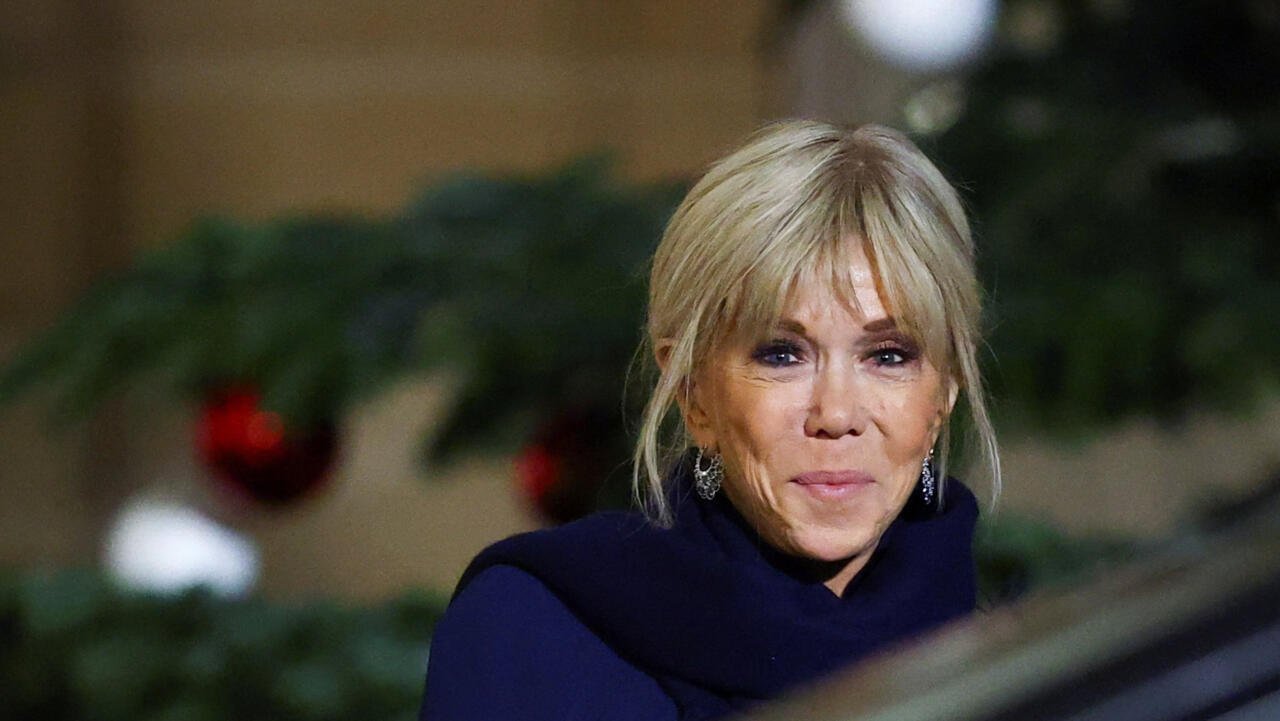
France’s first lady Brigitte Macron apologised on Monday for using a derogatory slur against feminist activists, an incident that has triggered a widespread backlash and ignited a social media campaign critical of her remarks.
Speaking to the media outlet Brut, the 72-year-old said she was “sorry if I hurt women victims” following the release of a video earlier this month that showed her making offensive comments backstage at a comedy show.
While acknowledging the harm caused, Macron defended her words as private remarks, insisting she would not disown them.
“I can’t regret them,” she said. “True, I am the wife of the president of the republic, but I am above all myself. And so when I am in private, I can let myself go in a way that is not totally proper.”
The controversy stems from a December 7 stand-up performance by actor and comedian Ary Abittan, which Brigitte Macron attended. During the show, a group of feminist activists disrupted the performance, wearing masks of Abittan marked with the word “rapist” and chanting accusations against him.
Backstage, Macron was recorded referring to the activists as “sales connes,” a French insult roughly translating to “stupid bitches.”
The video was published the following day, quickly spreading online and prompting the hashtag #SalesConnes to trend on social media. The phrase was subsequently reclaimed by activists and several high-profile figures, including Oscar-winning actress Marion Cotillard, who used it in posts highlighting women’s rights and denouncing sexist language.
Despite attempts by the first lady’s office to frame the insult as a “radical method” of criticism, the backlash intensified. Grève Féministe, a collective representing around 60 feminist groups, publicly demanded a formal apology, arguing that such language undermines efforts to combat sexism and violence against women.
The protest at Abittan’s show related to allegations made against the actor in 2021, when a woman accused him of rape. Investigators dropped the case in 2023, and an appeals court upheld that decision in January, meaning Abittan was never charged. The activists argue, however, that public accountability remains necessary in cases involving allegations of sexual violence.
The incident comes amid heightened sensitivity in France following the #MeToo movement, which has exposed accusations of sexual assault and rape against numerous prominent cultural figures.
Most recently, actor Gérard Depardieu was convicted in May of sexually assaulting two women on a film set in 2021 and faces an upcoming rape trial related to allegations from 2018, which he denies.
President Emmanuel Macron has previously courted controversy on the issue, stating in 2023 that Depardieu was the target of a “manhunt” and reiterating his belief in the presumption of innocence.
Brigitte Macron’s comments have reignited debate over the responsibility of public figures, particularly women in positions of influence, to uphold respectful language — even in private — in a society grappling with sexism, justice, and the legacy of #Me Too.