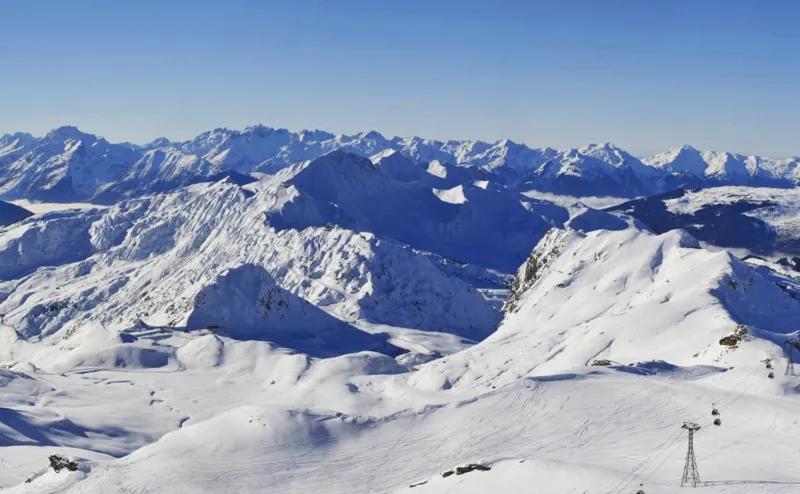
A British man has died after being caught in an avalanche while skiing off-piste at the popular French Alps resort of La Plagne, officials have confirmed. The incident occurred on Sunday afternoon, during one of the most dangerous periods of the winter avalanche season.
The man, believed to be in his 50s, was part of a group skiing outside marked and secured runs when the avalanche struck. According to a statement released by La Plagne resort authorities, the group was navigating an off-piste area when snow gave way above them.
Rescue services were alerted to the incident at 13:57 local time (12:57 GMT). Emergency teams were immediately dispatched to the scene, which was located in a mountainous section of the resort known for attracting experienced skiers seeking untouched snow.
More than 50 rescuers took part in the operation, including mountain medics, ski instructors trained in rescue response, and a specialist dog deployed by helicopter. Despite the rapid response, challenging terrain and heavy snow made the search extremely difficult.
After approximately 50 minutes, rescuers located the British skier buried beneath 2.5 metres, or around eight feet, of compacted snow. Efforts to revive him were unsuccessful, and he was pronounced dead at the scene.
La Plagne officials said the man had been skiing without an avalanche transceiver, a crucial safety device that allows buried skiers to be located quickly. The resort also confirmed that he was not accompanied by a professional mountain guide or instructor.
In a statement, La Plagne said its thoughts were with the man’s family and loved ones during what it described as a “deeply tragic incident.” The resort stressed the importance of safety precautions for anyone venturing beyond designated pistes.
BBC News has contacted the UK Foreign, Commonwealth and Development Office for comment. British consular services typically offer support to families of nationals who die overseas, including assistance with local authorities and repatriation arrangements.
Off-piste skiing, also known as backcountry skiing, remains popular among thrill-seekers but carries significant risks. Unlike marked slopes, these areas are not controlled for avalanche danger and require specialist equipment and local knowledge.
La Plagne’s official website advises off-piste skiers to consult the daily Avalanche Risk Bulletin before setting out. It also strongly recommends carrying essential safety gear, including an avalanche victim detector, probe, and shovel.
December through February marks peak avalanche season across the northern hemisphere. Heavy snowfall, fluctuating temperatures, and wind can destabilise snow layers, significantly increasing the likelihood of avalanches in mountainous regions.
Avalanche experts warn that even experienced skiers can underestimate conditions. Without proper equipment, survival chances drop sharply, as the first 15 minutes after burial are considered critical for rescue.
This incident follows a series of fatal avalanches across Europe this winter. Only last month, five German climbers, including a 17-year-old girl and her father, were killed after being caught in an avalanche in Italy’s Dolomite mountains.
French mountain authorities continue to urge caution, reminding visitors that resorts may be safe within boundaries, but danger increases sharply beyond them. They stress that preparation, training, and respect for warnings can mean the difference between life and death.
As investigations continue into Sunday’s avalanche, the tragedy serves as a stark reminder of the hidden risks of alpine sports, even at well-known and heavily visited resorts like La Plagne.