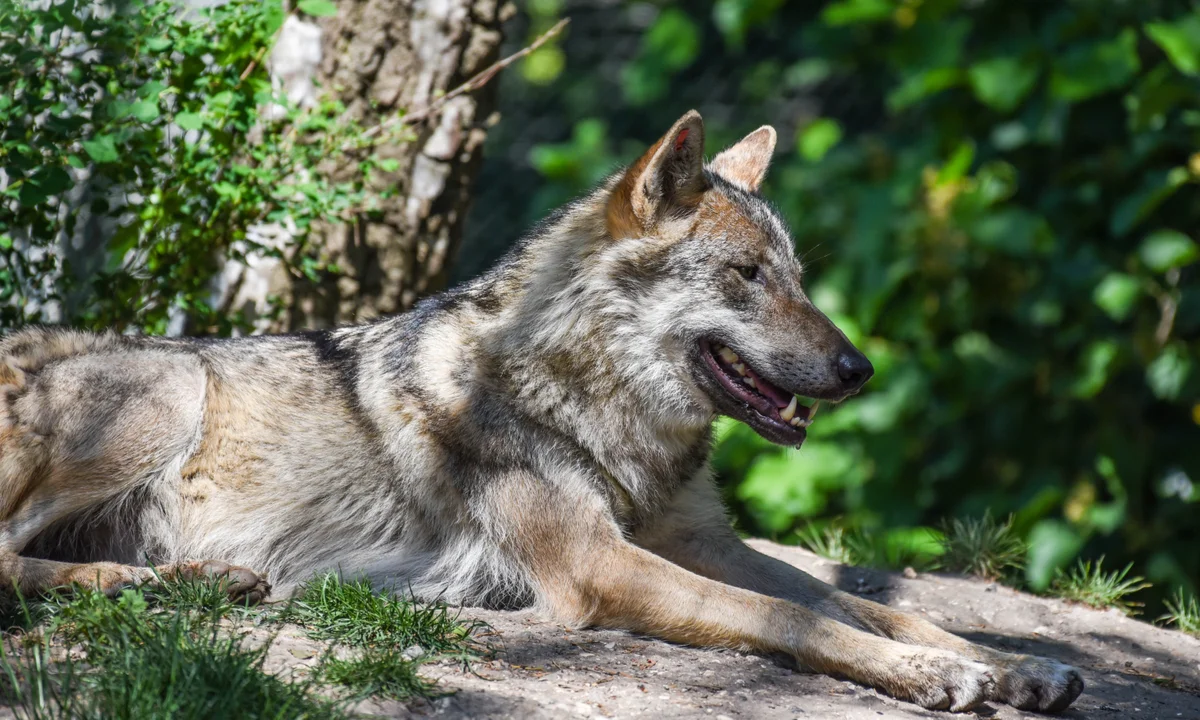
France’s government has announced sweeping changes to its wolf management policy, allowing farmers to shoot wolves in defence of their livestock even if protective fencing or deterrent systems are not yet installed.
The decision was confirmed earlier this week during a visit to Haute-Marne by Agriculture Minister Annie Genevard and Ecological Transition Minister Mathieu Lefèvre.
Officials described the move as a necessary response to a sharp increase in livestock losses and the rapid expansion of wolf populations into new farming regions across France.
“Whether protected or not, farmers will have the right to shoot in defence of their animals,” Genevard said, stressing that the previous system no longer reflected realities on the ground.
Under existing rules, farmers were typically required to install fencing, guard dogs or other protective measures before receiving authorization to shoot wolves. The government now argues that such requirements slowed responses and left herds vulnerable.
Wolf numbers have grown steadily in recent years, spreading from mountain strongholds into plains and agricultural zones. Once confined to fewer than ten departments, wolves are now reported in more than 60.
This geographic expansion has caught many farmers off guard, particularly in areas where livestock protection systems are either incomplete or too costly to deploy quickly.
The toll on farmers has been significant. In Haute-Marne alone, about 800 farm animals were killed by wolves in 2025. A further 124 losses have already been recorded since the beginning of this year.
Nationwide, preliminary figures suggest roughly 12,000 animals were lost to wolf attacks last year. The rising numbers have fueled anger and anxiety in rural communities that depend heavily on sheep and cattle farming.
“The status quo in the face of such predatory behaviour is not possible,” Lefèvre said during the visit, adding that wolves increasingly appear in territories “which by definition are poorly protected.”
The planned decree, expected within weeks, will allow farmers, specialised intervention brigades and licensed hunters to carry out targeted culling operations when livestock are threatened.
Authorities insist the approach is not intended as open hunting but as rapid defence. Operations will be regulated and focused only on problem animals near farms.
Compensation rules are also set to change. Farmers will continue receiving payments for losses even after repeated attacks, provided they show evidence of working toward improved protection measures.
Previously, compensation could be reduced or withdrawn if officials judged preventive steps insufficient. Farmers argued that this system penalised them twice — first through livestock losses and then through bureaucratic hurdles.
The new framework aims to reduce that pressure while encouraging long-term investment in fences, guard dogs and surveillance technologies.
However, ministers emphasised that the relaxed shooting rights come with obligations. Farmers benefiting from wolf control measures will be expected to commit to installing adequate protection systems within a year.
The policy shift has drawn mixed reactions. Farming unions have broadly welcomed the changes, saying they offer practical tools to safeguard livelihoods and animal welfare.
“This gives us a chance to react immediately when our flocks are attacked,” one local shepherd said. “We cannot wait days for permits while animals are dying.”
Conservation groups, however, warn that easier culling could undermine decades of wolf recovery efforts. Wolves were nearly extinct in France in the early 20th century before returning naturally from Italy in the 1990s.
Environmental advocates argue that wolves play an important ecological role and caution against measures that could trigger uncontrolled killing.
Government officials say they are trying to balance both interests — protecting biodiversity while ensuring the survival of rural economies.
As wolf territories continue to expand, the debate highlights the growing tension between conservation goals and farming realities. For many in the countryside, the new rules represent a pragmatic step toward coexistence, even if the issue remains far from settled.