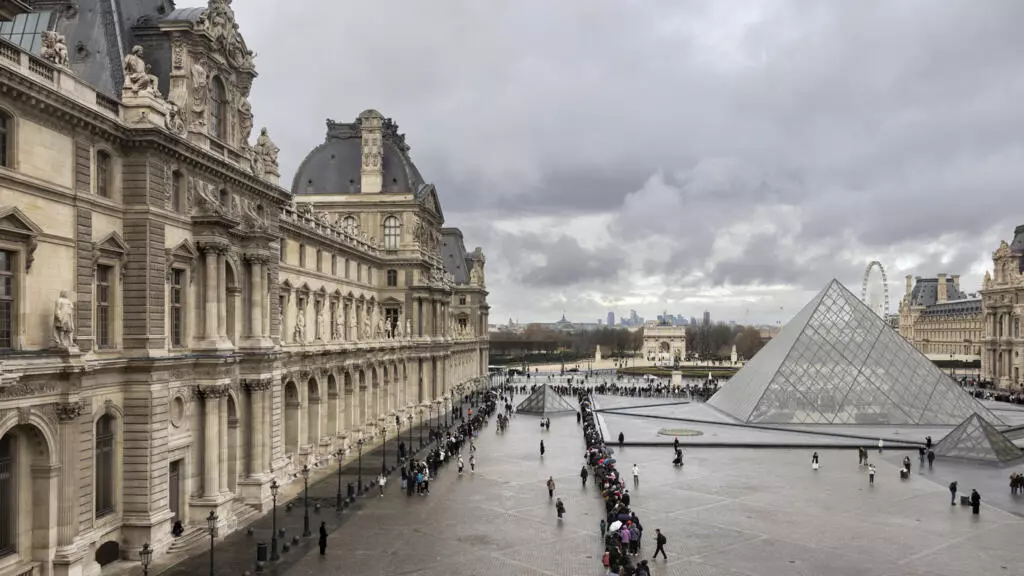
Paris’s iconic Louvre museum announced Thursday that it will raise ticket prices for most non-European Union visitors, including Americans, British, and Chinese tourists. From January 14, 2026, these visitors will have to pay €32, up from the current €22, marking a 45-percent increase.
The Louvre told AFP that the move aims to increase annual revenues by up to €20 million ($23 million) to fund structural improvements and reinforce security. The measure was approved at a recent museum board meeting, with staff unions also involved in discussions about the change.
Currently, visitors from all nationalities enjoy a universal entry fee, but from 2026, exemptions will apply only to citizens of the European Union, Iceland, Liechtenstein, and Norway. Labour unions, including the CFDT, have criticised the move, warning it could be perceived as discriminatory.
The price hike comes after a high-profile theft on October 19, when a four-person gang stole jewellery worth an estimated $102 million in just seven minutes. The thieves escaped on scooters, highlighting serious security vulnerabilities. An official investigation has since revealed gaps in the museum’s security equipment and structural maintenance.
“Security and infrastructure improvements are urgently needed,” the museum said in a statement. “The increase in ticket prices for non-EU visitors is necessary to ensure the protection of our collections and the safety of all visitors.”
The Louvre remains the world’s most-visited art museum, attracting millions of visitors each year. A 2024 report indicated that the museum welcomed 8.7 million visitors, with 69 percent being foreigners. Americans constituted the largest group, followed by tourists from China and other countries.
Museum officials emphasised that the additional funds will be dedicated to addressing structural concerns, including reinforcing older parts of the building, upgrading surveillance systems, and improving emergency response measures. The management said these steps are essential to prevent future incidents like last month’s daring theft.
“This is not about targeting international visitors, but about ensuring the museum can maintain the highest standards of security and preservation,” a museum spokesperson said. “Our collections are priceless, and safeguarding them requires ongoing investment.”
The CFDT union, however, raised concerns that the new pricing policy may be interpreted as unfair treatment of non-European tourists. They warned that it could damage the Louvre’s reputation as an inclusive cultural institution open to all visitors, regardless of nationality.
Tourism experts in Paris suggest that while the fee increase may initially face criticism, it is unlikely to deter the majority of international visitors, given the Louvre’s status as a must-see cultural destination. “Tourists often budget for the Louvre as part of the Paris experience,” said one analyst. “An additional €10 is unlikely to change visitation patterns significantly.”
The October heist has prompted broader discussions about museum security worldwide. Experts point out that even the most prestigious institutions are vulnerable to organised crime, and the incident at the Louvre serves as a wake-up call for improved safety measures in cultural heritage sites globally.
In addition to security upgrades, the Louvre plans to use funds for structural repairs to its centuries-old building, which has faced wear and tear over time. These include restoration projects for historical galleries and reinforcements in high-traffic areas.
The Louvre’s management acknowledged that balancing visitor access and preservation costs is a delicate task. By focusing fee increases on non-EU visitors, the museum aims to distribute the financial burden while maintaining free or reduced access for European citizens, who form a significant portion of the local audience.
While debates over the new pricing policy continue, the Louvre remains committed to preserving its collections and providing a safe, world-class experience for millions of tourists each year. Authorities are confident that the measures will strengthen the museum’s infrastructure and prevent similar thefts in the future.
With ticket prices set to rise, the Louvre is positioning itself not only as a cultural landmark but also as a proactive institution addressing the challenges of modern museum management, security, and heritage preservation.
In summary, non-EU visitors to the Louvre will soon face higher ticket fees as part of a broader initiative to fund critical security and structural improvements. The decision follows a record theft incident, sparking debate about fairness, tourism, and the protection of priceless cultural treasures.
This article was created using automation technology and was thoroughly edited and fact-checked by one of our editorial staff members