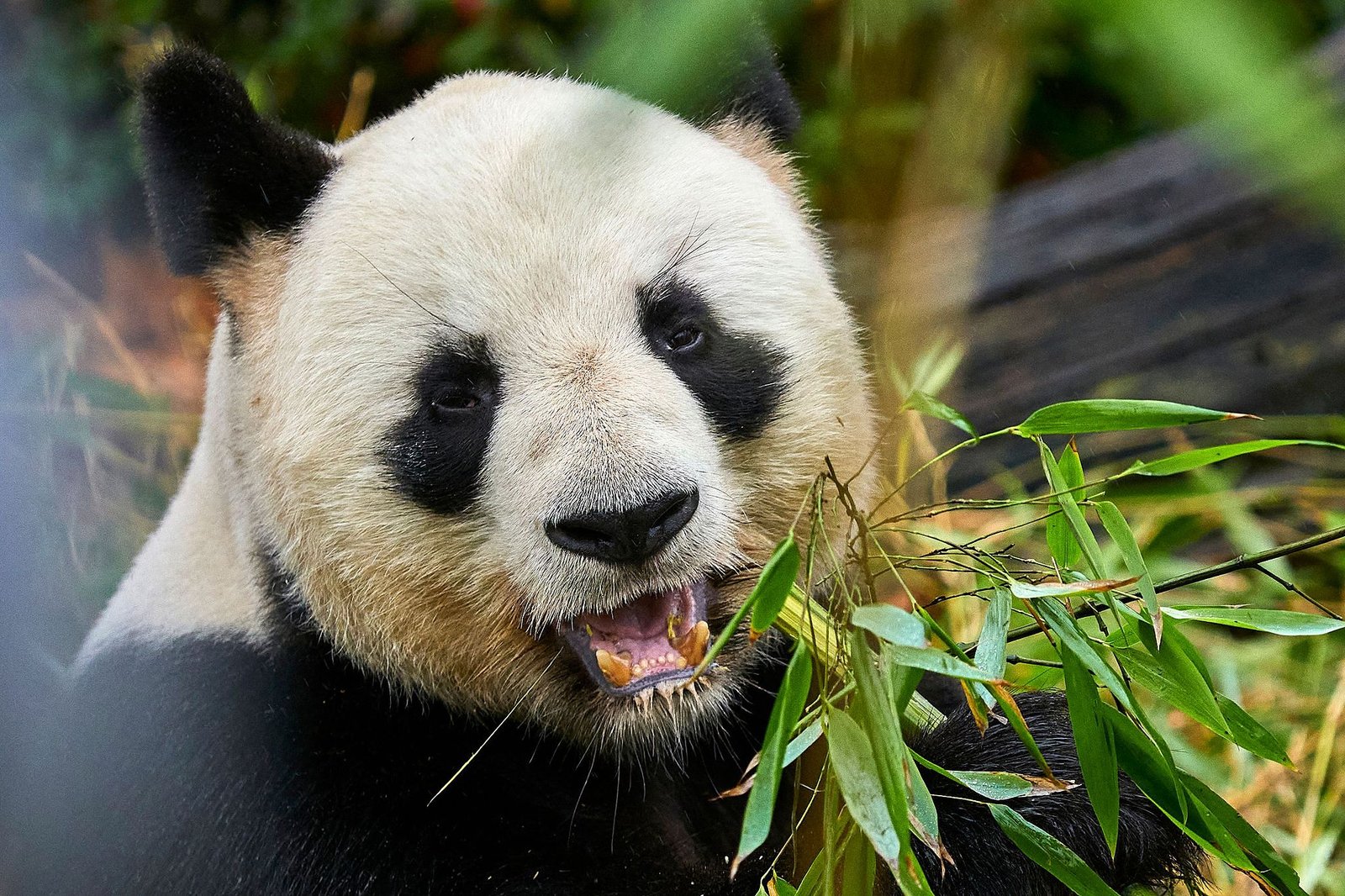
Beijing – China and France have agreed to launch a new round of cooperation focused on the protection of giant pandas, underscoring both nations’ commitment to wildlife conservation.
The announcement came after Chinese President Xi Jinping and French President Emmanuel Macron met the press in Beijing on Thursday following their bilateral talks.
President Xi highlighted that both countries aim to deepen exchanges and cooperation across culture, education, science, and technology, in addition to subnational collaborations.
“We are committed to furthering our partnership in the protection of giant pandas and will launch a new phase of collaborative efforts,” Xi stated during the press briefing.
President Macron welcomed the agreement, emphasizing that wildlife conservation is a global responsibility and that France values long-term cooperation with China on environmental protection.
“Giant pandas symbolize not only biodiversity but also the cultural and scientific collaboration between our two nations,” Macron said, noting that joint research and educational programs will benefit both countries.
The new initiative will include measures to enhance panda habitats, scientific studies on panda health and reproduction, and educational programs for children and students to raise awareness of conservation efforts.
Experts have praised the collaboration as a step toward ensuring the long-term survival of giant pandas, which have become an international symbol of wildlife preservation.
Cultural and educational exchanges are expected to play a significant role, with French institutions planning to participate in workshops and research programs in China.
Subnational areas, such as local governments and provincial wildlife authorities, will also engage in joint conservation projects, sharing knowledge and best practices to improve panda care and habitat management.
This renewed partnership reflects a broader trend of environmental cooperation between China and France, which has included previous projects in renewable energy, climate action, and biodiversity protection.
The initiative is expected to include annual progress reviews, joint scientific publications, and public awareness campaigns aimed at promoting the significance of giant pandas as a flagship species for global conservation.
China has long loaned giant pandas to zoos around the world as part of its “panda diplomacy,” and France currently hosts several pandas under such agreements. The new cooperation phase is expected to expand these programs and enhance scientific collaboration.
Both leaders stressed that the initiative reflects a broader commitment to global environmental responsibility, strengthening bilateral ties while addressing the challenges of species preservation in the 21st century.
The announcement has been widely welcomed by conservation groups, who noted that international partnerships are essential for the protection of endangered species like the giant panda.
With habitat loss and climate change threatening wildlife globally, such collaborations underscore the importance of combining scientific expertise, cultural exchange, and political commitment to achieve tangible conservation outcomes.
The renewed China-France panda protection program represents not only a milestone in bilateral relations but also a model for international cooperation in wildlife conservation, research, and education.
This article was created using automation technology and was thoroughly edited and fact-checked by one of our editorial staff members